
Creative Ways to Reuse Cardboard Before Recycling It

Why Cardboard Deserves a Second Life
Cardboard is the most underrated material in the house. It arrives free with almost everything we buy, it is sturdy, easy to cut and surprisingly versatile, yet most of us flatten it and put it out for collection without a second thought. Recycling is genuinely worthwhile, but reuse sits even higher up the waste hierarchy: every box you use again saves the energy, water and transport involved in collecting and reprocessing it.
So before you reach for the scissors and the recycling bag, it is worth keeping a small stash. Flatten a few decent-sized boxes and tuck them behind a sofa, under a bed or in the garage. A supply of clean, dry cardboard is the starting point for almost every project below, and it costs nothing at all.
Cardboard Crafts for Children
If you have children in the house, cardboard is the best free craft material going. Its size means it can become something big quickly, which matters far more to a six-year-old than neat edges.
- Castles, shops and puppet theatres: a large box stood on its side, with windows cut out and flaps folded back, becomes a playhouse in under an hour. Masking tape and a wash of poster paint finish the job.
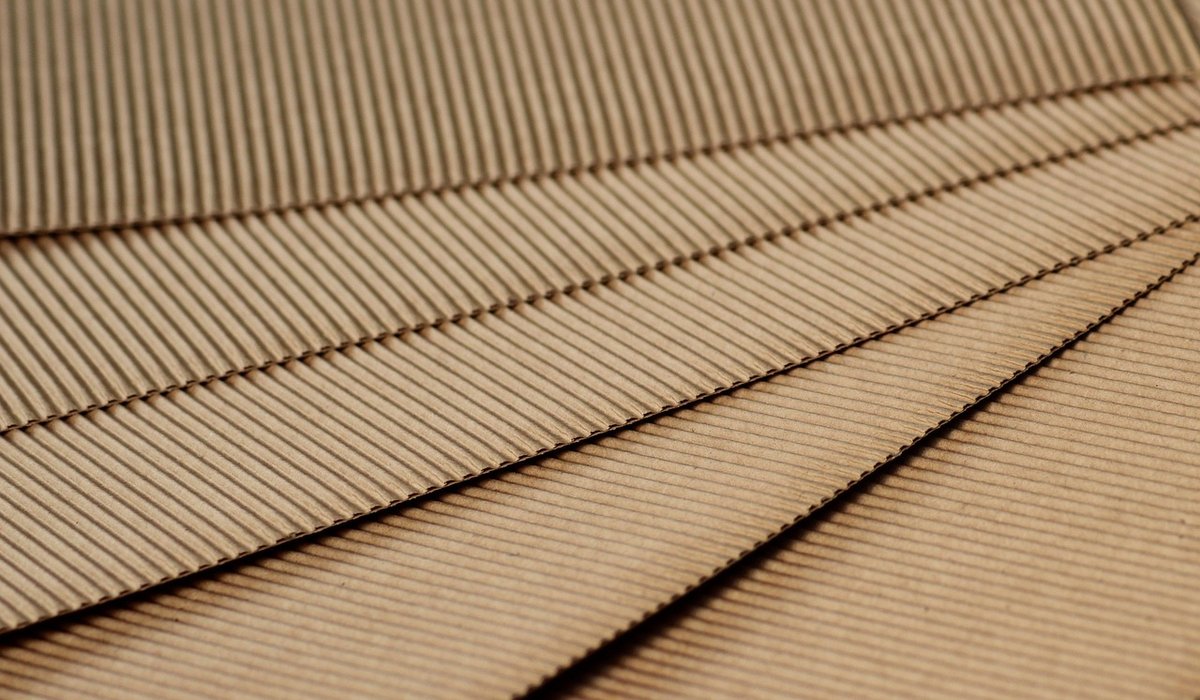
- Corrugated stamps: tear the top layer from a piece of corrugated card to reveal the ridges, cut into simple shapes, and press into paint for brilliant textured prints.
- Weaving and looms: notch the short ends of a rectangle and stretch string across it. Strips of coloured card or fabric make the weft.
- Shoebox dioramas: a shoebox, a background painted inside, and a few small figures creates a scene that doubles as a storytelling prompt.
Keep a dedicated "making box" with PVA glue, masking tape, child-safe scissors and a bag of offcuts. Children rarely need instructions — they need volume and permission.
Pet Toys and Animal Comforts
Cardboard is a favourite with pets, and homemade versions cost a fraction of shop-bought toys.
- Cat scratcher: cut corrugated card into strips about 4cm wide, roll each one tightly, and glue them side by side upright in a shallow tray. Sprinkle catnip between the layers and let it dry fully before your cat investigates.
- Rabbit and guinea pig tunnels: remove all tape and staples from a long box, cut a doorway at each end, and you have a hide that will be chewed, which is exactly the point.
- Small pet maze: tape several boxes together with gaps between them to create a network for hamsters or rats to explore.
- Dog treat puzzle: fold flaps over a shallow box, hide kibble underneath and let your dog work out how to open them.
Always strip out tape, staples, plastic windows and heavily inked packaging, and supervise pets with any new toy until you know how they handle it.
Storage, Organisation and Household Fixes
Around the home, cardboard quietly solves a lot of small problems.
- Drawer liners: cut card to fit, then cover with leftover wallpaper or fabric for a neat, wipeable finish.
- Cable tidies: a shoebox with card dividers keeps chargers, leads and adapters separate and untangled, especially if you label each section.
- Under-bed storage: shallow boxes slide easily into the gap and keep spare bedding, shoes or seasonal clothes dust-free.
- Drawer dividers: strips of sturdy card cut to height and slotted together organise socks, cutlery or stationery in seconds.
- Packing templates: keep a few sheets for wrapping fragile items or making custom inserts for boxes being posted.
Cardboard in the Garden
Allotment holders and gardeners have long known that plain brown cardboard is a valuable resource, provided it has no plastic coating or shine.
- Weed suppression: lay sheets flat, overlap the edges well, and cover with compost or bark chippings. Worms will pull it down into the soil over a season.
- Compost browns: torn up and added in layers, it balances the wet green material in your bin or heap.
- Seed pots and trays: cardboard tubes cut to length make free root trainers for peas, beans and sweet peas, and can be planted out whole.
- Path edging: a double layer under gravel or woodchip slows weeds considerably.
Getting the Best From It, Then Recycling What Is Left
Look after your stash and it will serve you for years. Keep cardboard dry, because damp card loses its strength and goes mouldy quickly, and store it flat so it takes up minimal space.
Before any project, remove tape, staples, plastic windows and polystyrene inserts. Greasy card, such as the base of a pizza box, should not go into the recycling — tear off the clean lid for recycling and compost or bin the oily part. Glossy, foil-covered and waxed card is also best avoided for both crafts and kerbside collection.
Once a box has been reused two or three times, flatten it, keep it clean and dry, and put it out with your usual council collection. A little imagination first, then the recycling bin — that is the best possible ending for a humble cardboard box.

Joeby Ragpa
This template is so awesome. I didn’t expect so many features inside. E-commerce pages are very useful, you can launch your online store in few seconds. I will rate 5 stars.
ReplyAlexander Samokhin
This template is so awesome. I didn’t expect so many features inside. E-commerce pages are very useful, you can launch your online store in few seconds. I will rate 5 stars.
ReplyChris Root
This template is so awesome. I didn’t expect so many features inside. E-commerce pages are very useful, you can launch your online store in few seconds. I will rate 5 stars.
Reply