
How to Store Cardboard Sheets for Future Projects

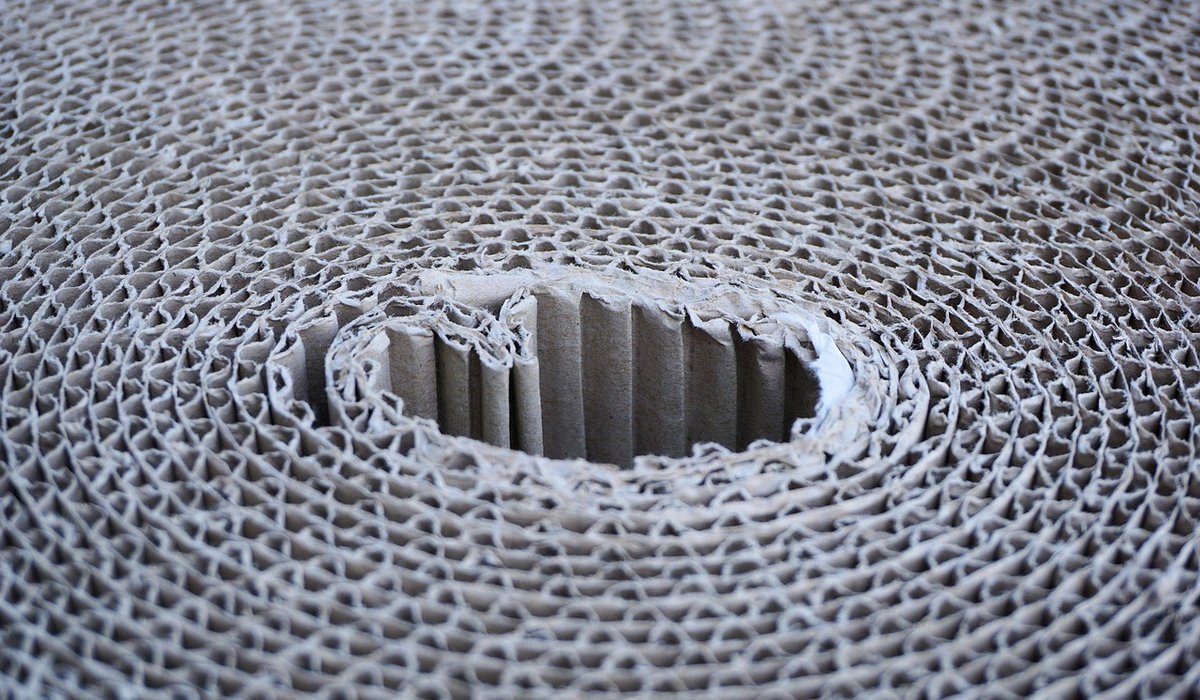
Why Cardboard Sheets Deserve Careful Storage
Cardboard is one of the most versatile and affordable craft materials you can keep at home. It becomes rocket ships, dollhouse furniture, garden seed trays, and costume armour. But cardboard is also fragile. Damp air makes it swell and lose its stiffness. Dust settles into corrugated flutes and ruins a clean paint finish. Creases from careless storage turn a perfect sheet into a wobbly mess. If you have ever pulled out a supposedly flat piece only to find it bowed and useless, you know the frustration. Good storage is not about being fussy. It is about keeping your options open. A little planning means you can grab a sheet and start creating whenever inspiration strikes, rather than heading out to find more. It also saves money and keeps useful material out of the recycling bin before its time.
Find a Dry, Stable Home for Your Stash
The single most important rule is to keep cardboard away from moisture. Garages, sheds, cellars, and conservatories are tempting because they offer space, but they often suffer from damp, temperature swings, and pests. Instead, look for an indoor spot with stable conditions. A spare bedroom, the top of a wardrobe, or the space under a bed works well. Avoid placing sheets directly against outside walls, which can feel cold and damp even in a dry room. Keep them away from radiators, hot water pipes, and direct sunlight, as heat makes cardboard brittle and causes it to warp.
Air circulation matters too. Do not cram sheets into a sealed, airtight cupboard with no airflow. A simple shelf or a clean wooden pallet on the floor allows air to move around the stack. If you must use a concrete floor, raise the cardboard on a sheet of wood or a plastic tray. Check the area regularly for signs of silverfish, mice, or damp patches. A dry, pest-free corner is your cardboard’s best friend.
Flat Storage Solutions for Every Space
Flat is almost always best. When cardboard is stored flat, it keeps its shape and is ready to use without pressing or flattening. Here are practical ways to store sheets flat, even in a small home:
- Under-bed storage: Use a large, shallow box or a purpose-made artwork portfolio. Line it with a clean cotton sheet to keep dust off.
- Vertical file racks: For smaller sheets, a sturdy cardboard box or a wooden magazine rack works well. Stand sheets on their long edge, not their corner, to avoid bending.
- Between two boards: For very large sheets, sandwich them between two pieces of MDF or thick cardboard and slide the whole thing behind a sofa or wardrobe.
- Rolled storage: Only roll cardboard if you have no flat space. Roll loosely around a wide tube, never fold. Unroll and flatten with weights before use.
Never lean sheets against a wall for long periods. They will slowly bow. If you must store them upright, keep the stack tight and supported on both sides.
Keep Dust and Damp at Bay
Dust is the enemy of a smooth painted surface, and damp is the enemy of strength. Cover your stored sheets with a breathable material such as an old cotton bedsheet or a piece of calico. Avoid plastic sheeting or bin bags for long-term storage, because plastic traps condensation and can cause mould. If you use a plastic box, leave the lid slightly ajar or drill a few small ventilation holes.
For extra protection against damp, place a few silica gel packets in the storage box. Replace them every few months, or refresh them by drying them in a warm oven. If your sheets do become slightly damp, do not panic. Lay them flat in a dry room with good airflow, away from direct heat, and place a clean weight on top. They will often dry flat and usable. Wipe dusty sheets with a dry microfibre cloth before cutting or painting.
Organise by Size, Thickness and Project
A jumbled pile wastes time. Sort your cardboard by size first, then by thickness. Single-wall sheets are perfect for lightweight models, while double-wall corrugated is better for sturdy structures. Keep a separate box for small offcuts and scraps, because these are surprisingly useful for detail work. Label boxes or shelves clearly with a marker so you can see what is inside at a glance. If you have space, create a “use first” pile for sheets that are slightly creased or older. Store related items together, such as all your large flat sheets in one place and all your small pieces in another. This simple system means you spend less time rummaging and more time making.
Rotate Your Stock and Refresh Old Sheets
Cardboard does not last forever. Even in good conditions, it can become brittle or attract pests over time. Get into the habit of checking your stash every few months. Look for damp patches, musty smells, or tiny holes that suggest insects. Use the oldest sheets first, and don’t be afraid to recycle anything that has become too warped to use. If a sheet is bent but otherwise sound, lay it flat under a heavy board for a few days. A light mist of water followed by pressing can help, but be careful not to soak the cardboard. Keep your collection to a manageable size. Only store what you realistically see yourself using in the next year. That way, your cardboard stays in top condition, ready for the next rainy afternoon of crafting with the family.

Joeby Ragpa
This template is so awesome. I didn’t expect so many features inside. E-commerce pages are very useful, you can launch your online store in few seconds. I will rate 5 stars.
ReplyAlexander Samokhin
This template is so awesome. I didn’t expect so many features inside. E-commerce pages are very useful, you can launch your online store in few seconds. I will rate 5 stars.
ReplyChris Root
This template is so awesome. I didn’t expect so many features inside. E-commerce pages are very useful, you can launch your online store in few seconds. I will rate 5 stars.
Reply